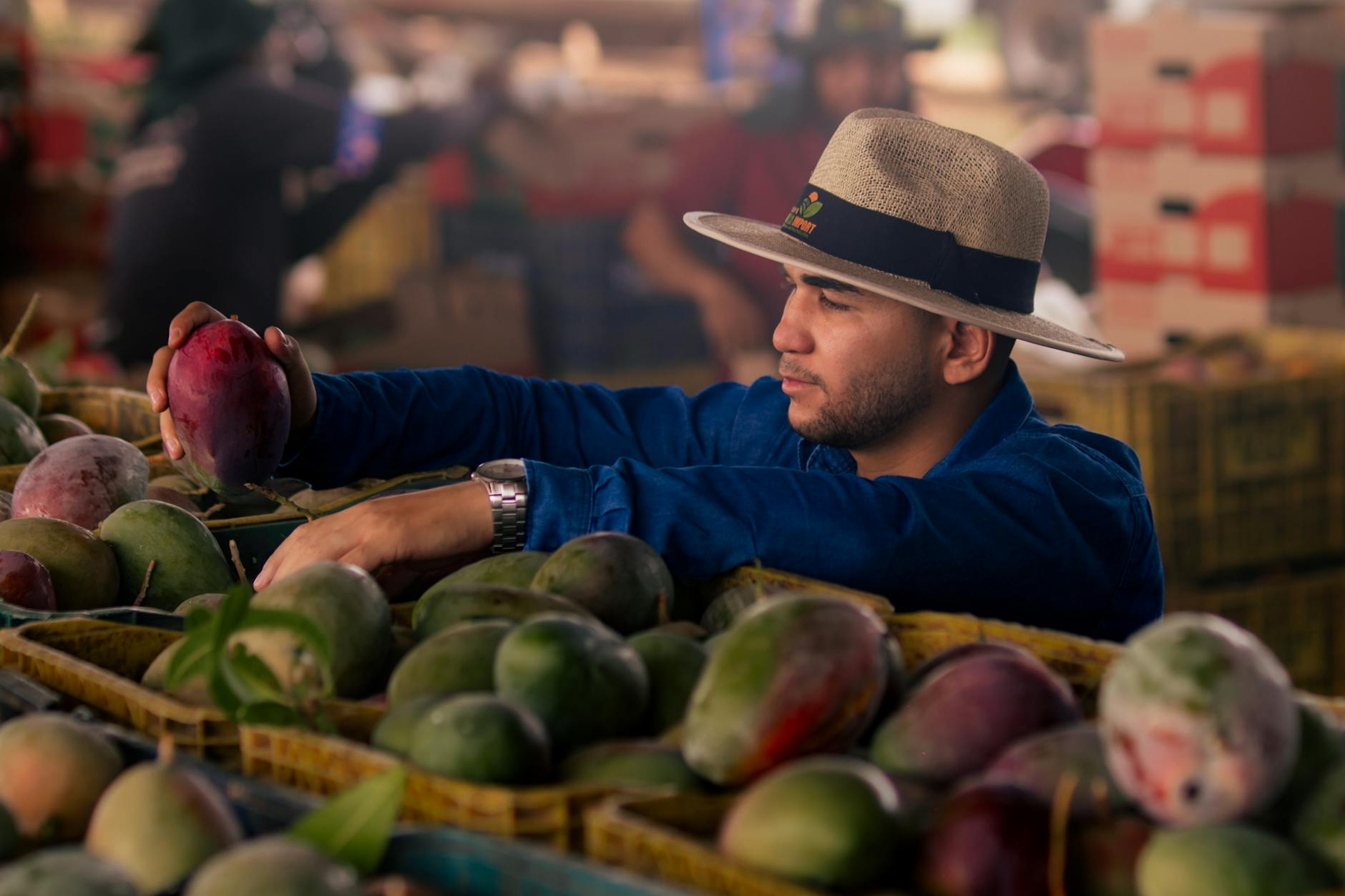
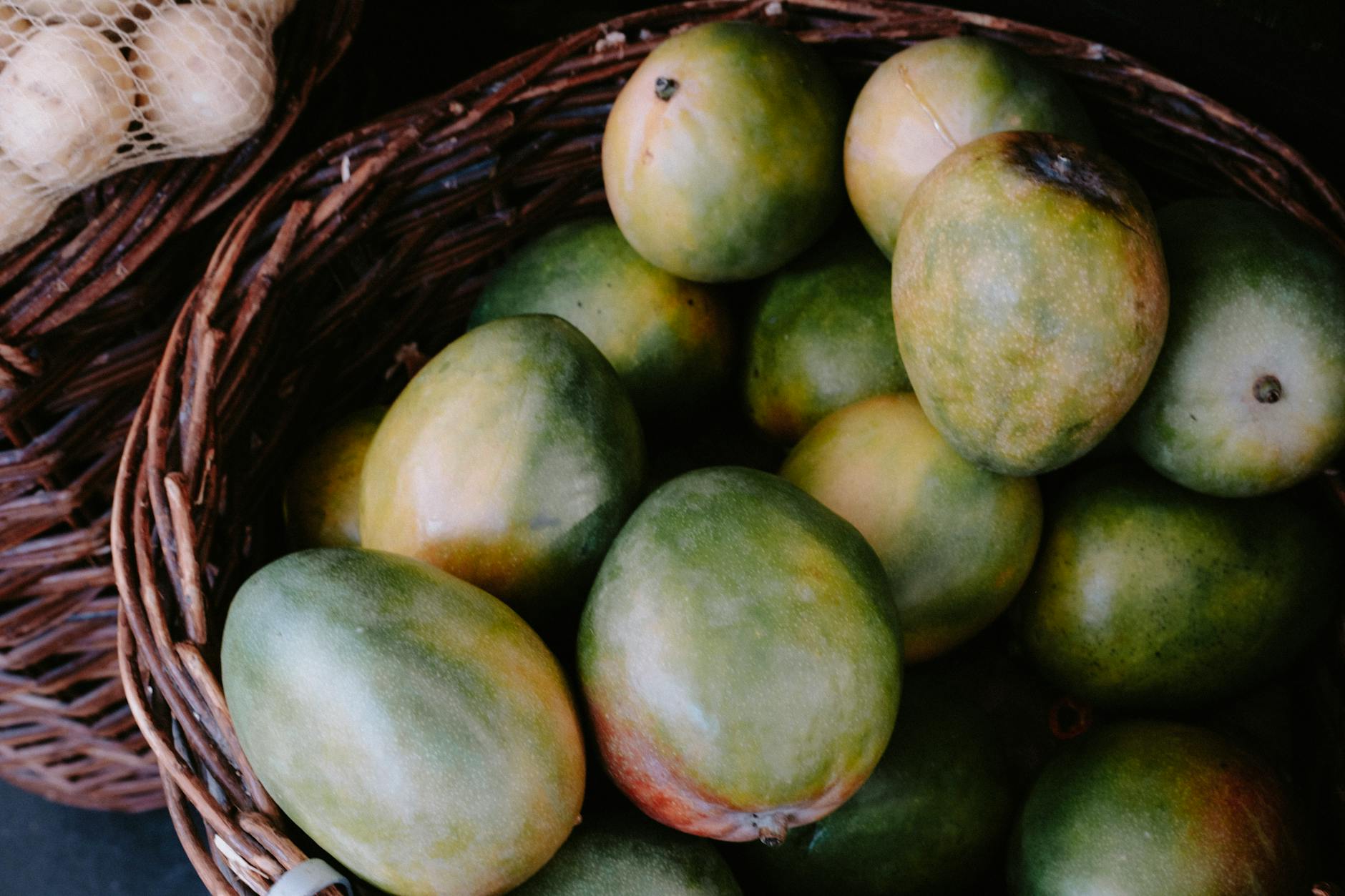
TL;DR
Real Hapus comes from a 60-km strip of Konkan coast — Devgad (GI #139) and Ratnagiri (GI #138). Most online Alphonso isn’t. The seven-point buyer’s test (shape, skin, aroma, weight, fibre, water-float, price) tells you what you got. Prices in 2026 cluster between ₹500 and ₹1,200 per dozen at peak season — anything under ₹400 is almost certainly Karnataka Badami being relabelled.
The Hapus market in 2026 — what changed
Three forces reshaped the online Alphonso market between 2022 and 2026.
- Direct-to-farm models matured. Specialist sellers like Pinified Mango work with named Devgad orchards instead of Vashi-mandi wholesale buys, exposing supply-chain detail buyers couldn’t see before.
- Marketplace listings exploded. Amazon Fresh, BigBasket, Flipkart Grocery, and a long tail of Instagram seasonal storefronts now list Alphonso as a default summer SKU — sourcing transparency has not kept pace.
- Carbide enforcement remains patchy. The FSSAI ban under regulation 2.3.5 of the Food Safety and Standards Regulations, 2011, is well-documented; mandi enforcement is uneven. Direct-to-farm models bypass the wholesale layer where carbide is most common.
The result: a buyer ordering "Alphonso" or "Hapus" online today is choosing across at least five distinct sub-markets. Knowing which one you’re in determines what arrives in the box.
The five sub-markets, ranked by trust
- Direct-to-farm specialist sellers with named-orchard sourcing inside the GI boundary. Highest provenance, highest typical price (₹799–₹1,199 per dozen for Double or Triple A in 2026).
- Co-operative society stores like the Devgad Taluka Amba Utpadak Sahakari Sanstha, which holds GI #139. Excellent provenance; logistics quality varies.
- Premium marketplaces (Nature’s Basket online, FreshToHome, Country Delight). Decent quality on individual SKUs; sourcing usually disclosed at SKU level rather than orchard level.
- Quick-commerce + grocery marketplaces (BigBasket, Amazon Fresh, Flipkart, Zepto, Blinkit). Convenient and fast; carbide-status and origin variable, replacement policy lengthy.
- Wholesale-relabel sellers on Instagram, WhatsApp, and direct DM. Wide quality range; cheaper Karnataka Badami is regularly sold under the Hapus name here.
The seven-point buyer’s test
Apply this in under thirty seconds the moment a box arrives:
- Shape. Real Alphonso is oval with a slight point at the stem end. Round = not Alphonso.
- Skin colour. Saffron-orange (not lemon yellow), with a faint pink shoulder blush. Uniform single-tone yellow is a tell for chemical ripening.
- Aroma. A clear woody-floral smell through the cardboard box. If you have to peel before you smell anything, walk away.
- Weight. 200–340g per piece depending on grade. Lighter than 180g is usually Karnataka Badami; much heavier suggests a different variety entirely.
- Fibre. Real Alphonso is fibreless — the flesh comes away cleanly from the stone.
- Water test. Drop in cold clean water. Sinks or barely floats = naturally ripened. Floats high = carbide or unripe.
- Price. ₹500–₹1,200 per dozen at peak season. Below ₹400 a dozen for "Hapus" is almost always Badami.
For a deeper walkthrough, see our how-to-identify-real-Alphonso guide.
Devgad versus Ratnagiri — a quick orientation
Devgad Alphonso (GI #139, Sindhudurg) and Ratnagiri Alphonso (GI #138, Ratnagiri) are both legitimate GI-tagged Alphonso. Devgad fruit tends to run smaller and denser (220–280g) with a higher sugar-to-acid ratio and more pronounced floral aroma; Ratnagiri runs slightly larger (280–340g) and milder. Ratnagiri starts about a week earlier; Devgad commands a 10–20% peak-season price premium.
The full breakdown is in our Devgad vs Ratnagiri reference.
Price benchmarks — what to actually pay in 2026
Based on field reports across the major sub-markets in April 2026:
| Channel | Single A (6 pcs) | Double A (12 pcs) | Triple A (12 pcs) |
|---|---|---|---|
| Direct-to-farm specialist (Pinified) | ₹599 | ₹799 | ₹999 |
| Co-operative direct | ₹550–₹650 | ₹750–₹900 | ₹950–₹1,150 |
| Premium marketplace | ₹650–₹799 | ₹899–₹1,099 | ₹1,099–₹1,299 |
| Quick-commerce / grocery | ₹499–₹650 | ₹650–₹899 | ₹899–₹1,199 |
| Wholesale relabel (likely Badami) | ₹249–₹399 | ₹399–₹549 | (rarely listed) |
Outside Mumbai — Delhi NCR, Bangalore, Pune, Hyderabad — add a typical ₹100–₹250 air-freight surcharge for direct-to-farm boxes flown in same-day or overnight.
The carbide question
Calcium carbide releases acetylene gas in contact with moisture, mimicking ethylene and triggering ripening enzymes. Skins turn uniform yellow in 24–48 hours but the flesh barely develops aroma compounds. The trace arsenic and phosphorus residues from industrial-grade carbide are also a documented food-safety hazard.
FSSAI prohibits the practice. Enforcement is uneven. Direct-to-farm sellers naturally ripen in straw chambers over 7–9 days using the fruit’s own ethylene — the slow method that produces the aroma profile Hapus is famous for. The full process is documented on our carbide-free explainer.
Logistics — the part most online buyers underestimate
Alphonso is a fragile fruit. The journey from orchard to your kitchen has four points where quality is gained or lost:
- Pick maturity. Hand-picked at 80% maturity — not the green "safe-for-transit" pick most wholesale chains rely on.
- Cold-chain hand-off. Insulated bags, phase-change cool packs, dispatch temperature 14–18°C. Generic e-commerce trucks running 30°C+ in May break this.
- Last-mile slot precision. A 3-hour slot is liveable; a 9 AM–7 PM window means your fruit sat in the sun.
- On-arrival quality control. Same-day or next-slot replacement on any spoiled box is the difference between a refund process and a replacement process.
Where Pinified fits
We work exclusively with twelve named Devgad-taluka orchards inside the GI #139 boundary. Every box names the source orchard, ripens carbide-free in straw chambers over 7–9 days, ships within 24 hours of pack via a dedicated mango cold-chain, and is replaced same- or next-slot on any complaint. Pre-booking is open for the 2026 season; first Mumbai dispatch May 5, with a flight-delivery pre-book trial for Delhi NCR and Bangalore.
The bottom line
For 2026 the right buying logic is simple: pay for provenance when you can, run the seven-point test on whatever arrives, treat any "Hapus" under ₹400 a dozen as almost certainly Badami, and remember that the difference between a forgettable Alphonso and a memorable one is mostly in the ripening method, not the brand on the box.